
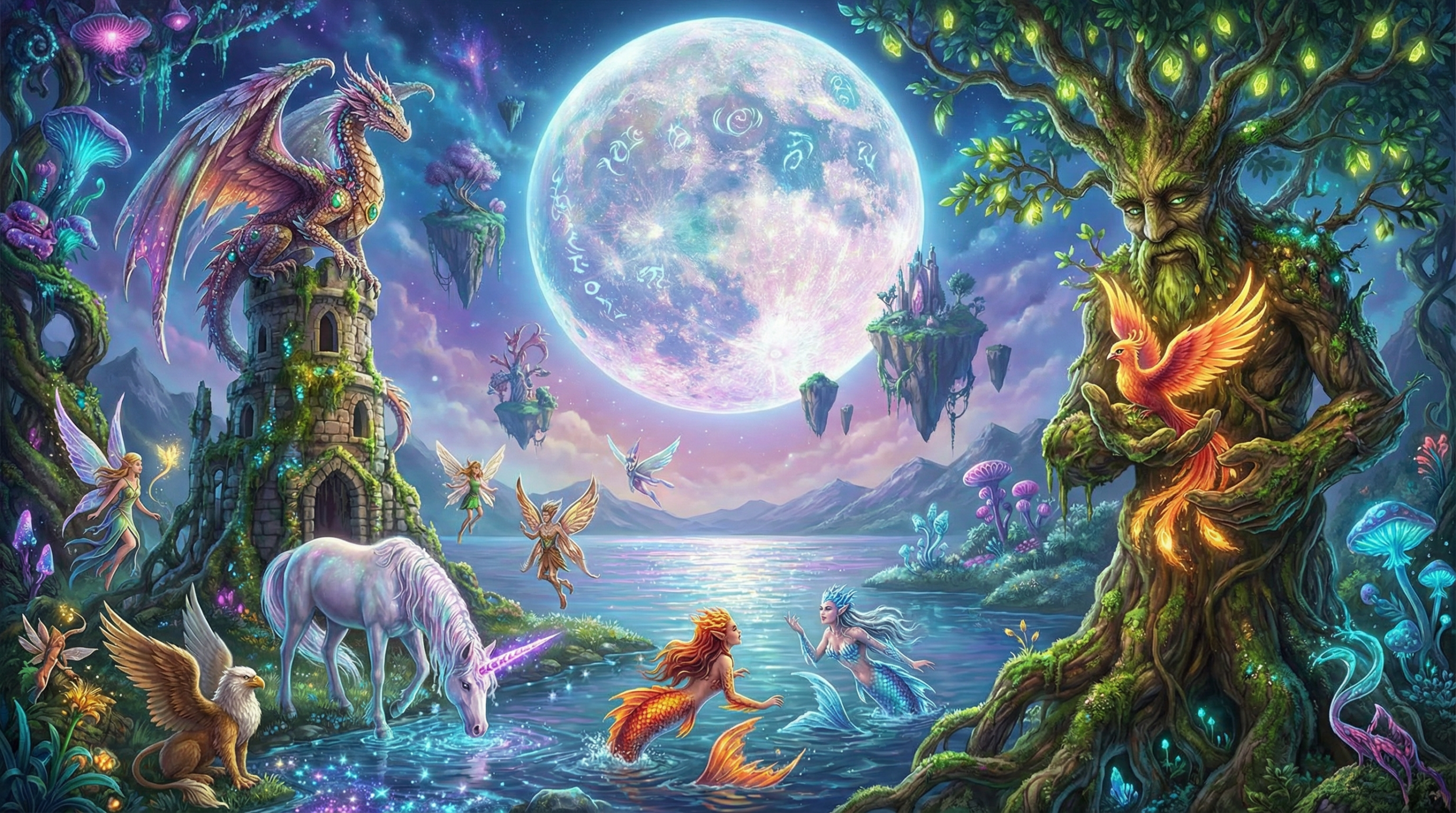
Designing your own fantasy races is one of the most fun and creative parts of worldbuilding for a novel, roleplaying game, or even just for your own daydreams. I find the process super flexible; there are no strict rules, just tons of space for imagination. If you want to craft memorable and believable fantasy races, breaking it down into clear steps really helps. Here’s my guide to designing your own fantasy races from scratch, packed with personal insights and plenty of tips to make your ideas stand out.
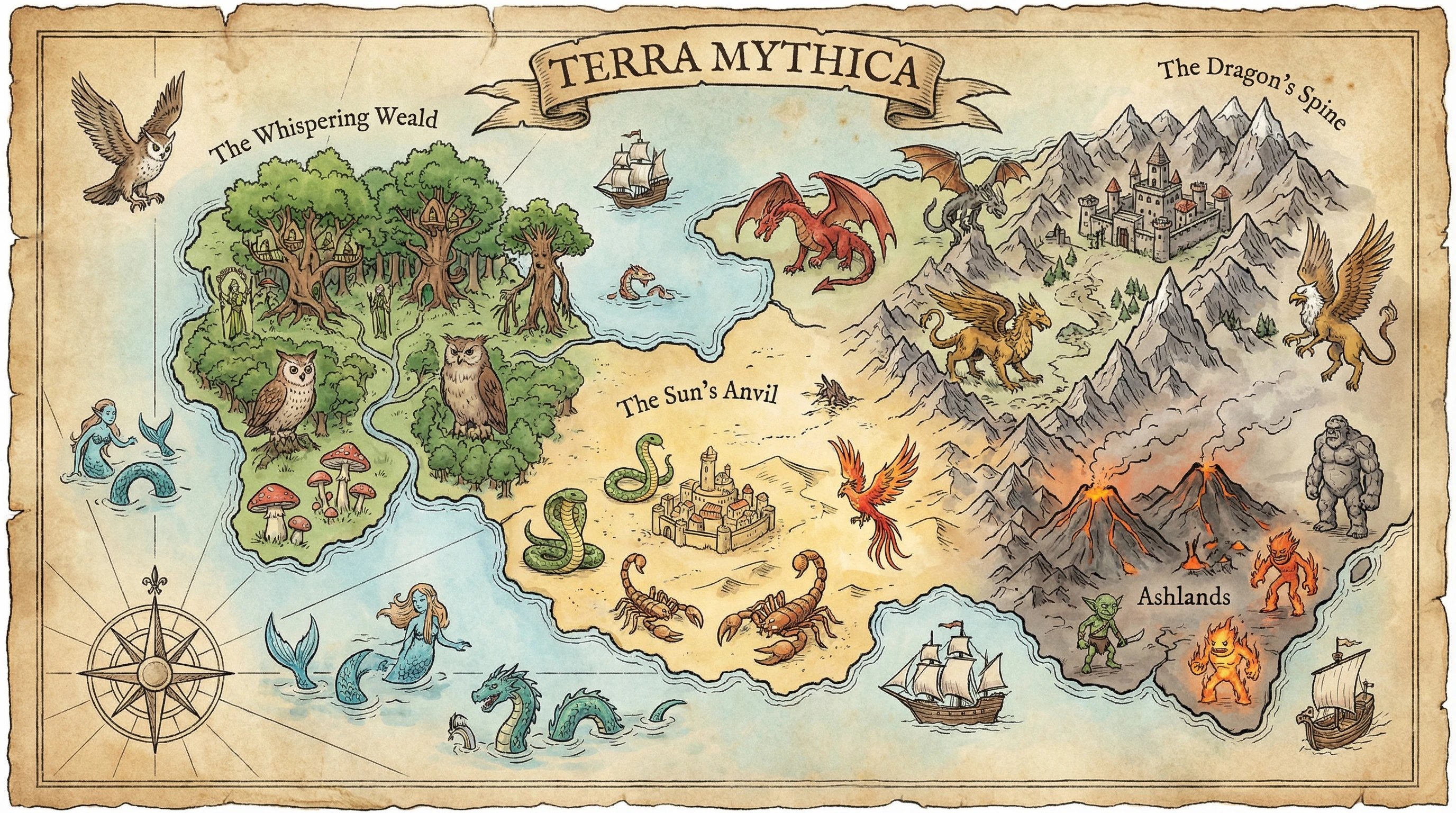
Why Create Your Own Fantasy Races?
Making your own fantasy races is pretty rewarding because it gives you a world that feels alive and personal. Instead of only using elves, dwarves, orcs, and other old favorites, you open doors to new cultures, perspectives, and stories. Your setting gets a unique vibe, and readers or players can stumble upon something they’ve never seen before. Over time, I’ve noticed that custom made races act like worldbuilding glue, tying together different regions, conflicts, and histories in new ways that standard races don’t always allow.
One of my most captivating creations is the Celestial, a race of luminous beings who dwell among the stars and celestial bodies. The Celestials are characterized by their radiant skin that glows softly in various hues, reflecting the constellations they are connected to. This ethereal appearance not only sets them apart but also signifies their role as guardians of cosmic balance.
As I began to develop the Celestial, I envisioned their society as one deeply intertwined with the cosmos. They possess the ability to manipulate light and energy to wield Celestial Magic, using these gifts to maintain harmony in the universe. One of my favorite aspects of their culture is the Starlight Rite, a ceremonial event held during celestial alignments. During this rite, the Celestials gather to harness the energy of the stars, creating breathtaking displays of light that illuminate the night sky. This spectacle not only strengthens their bonds but also serves as a reminder of their responsibility to protect the balance of the cosmos.
In crafting their history, I imagined a time when the Celestial faced a dire threat from a dark force seeking to disrupt the harmony of the universe. Rather than succumbing to fear, they united their powers and devised a plan to confront this darkness. Through their combined strength and unwavering resolve, they managed to restore balance, proving that even in the face of adversity, unity and courage can prevail.
Creating the Celestial has been an enlightening journey, allowing me to explore themes of light versus darkness and the importance of harmony in the universe. Their story continues to unfold, and with each new chapter, I discover more about their rich culture and the cosmic mysteries they embody.
The popularity of fantasy races comes from both classic myth (think elves from folklore or goblins from old tales) and decades of fantasy novels, movies, and games. People love meeting new races because they’re an easy way to show off what’s special about a setting. Inventing your own also helps avoid stereotypes that can get stale or problematic. Plus, original race design lets you build a setting that reflects your tastes and ideas more closely, helping your world stand out from the crowd. If you crave a sense of discovery and want to jumpstart new adventures in your story, crafting races adds a level of excitement and depth.
Breaking Down the Creative Process
Sometimes, facing a blank page feels intimidating even if you’re bursting with cool ideas. I like to break fantasy race design into sections; think physical appearance, culture, and their place in the world. This isn’t a checklist, just some helpful steps I come back to every time:
- Physical Traits: Figure out how your race looks and what makes them unique. Add details that spark curiosity or tell you something about their environment.
- Culture and Society: Decide what they value, how they organize themselves, and what day to day life is like. Consider how they handle conflicts, celebrations, and leadership.
- Language and Naming: Come up with patterns or rules for how members of this race talk and name themselves. Sometimes, just giving a few unique-sounding syllables can create consistency.
- History and Relationships: Outline the race’s backstory and how they interact with others in your world.
- Special Abilities or Weaknesses: Pick a handful of interesting strengths or limitations that set them apart.
Step by Step: Dreaming Up Your Own Race
Jumping into each part keeps things from getting overwhelming. Here are my usual steps, with thoughts and mini-examples along the way.
- Physical Appearances and Biology: Start with the basics. Think about the environment your race comes from. Do they have thick scales for swamps, extra eyes for the dark, or feathered wings for mountain life? Even a minor quirk like blue fingernails or glowing pupils adds flavor. I once created a desert dwelling race with sand colored skin and eyelids that close sideways. Details like that stick in people’s minds.
- Culture and Social Structure: This is where the personality shows up. Does your race live in tight clans, or are they solitary? Are they famous for music, mushroom farming, or aggressive trade? Their beliefs, customs, festivals, and taboos all help turn a collection of traits into a living group of people. It helps to think about what they want, what they fear, and how their environment shaped their behavior.
- Everyday Life and Technology: Fancy magic tools or basic stone ax? Maybe both! Consider what kind of technology (if any) is important, and how magic or special abilities figure into this. Are they master builders, legendary warriors, or clever herbalists? I like to come up with one odd invention or practice for every race I make.
- Language and Naming Conventions: Even if you don’t want to invent an entire language, decide if names tend to be short and snappy, long and singsong, or full of clashing consonants. Sometimes all you need is a repeating sound or a favorite ending, like “-nak” or “-lyn” to tie everything together. Giving a sample list of 4-5 names helps you keep things consistent.
- History and Major Events: Sketch a rough backstory. Were they once conquerors but are now scattered nomads? Did they survive a magical disaster or a bad war? How do they remember their past, or do they try to forget it? Every race needs a bit of history to explain why they act how they do.
- Relationships with Other Races: This is gold for storytelling. Are they rivals with a nearby group? Do they see outsiders as friends or enemies? By sketching out a few major likes and dislikes, you create potential for alliances, conflict, and drama right away. You might even invent a neighboring race so you can play up contrasts.
- Special Abilities and Weaknesses: Decide if your race has super tough skin, a knack for illusion magic, or maybe can read emotions. Pick a weakness too; it just makes things feel real. Maybe they’re allergic to iron, or get confused by loud noises. Balancing strengths and flaws leads to interesting stories. The more creativity you put here, the more memorable your race becomes.
Things to Watch Out For
Every time I make a fantasy race, I keep a few key things in mind to avoid common troubles:
- Stereotypes: Races shouldn’t just be one dimensional or built entirely around a single cliché. Avoid making a group that’s nothing but “savages” or “wise elders.” Give every race a range of personalities and roles. Let your characters break the mold; a fierce warrior might also be a gentle painter.
- Balance in Power: If one race always wins because it’s better in every way, stories get stale fast. Give everyone some wins and losses; weaknesses bring in drama and keep things lively.
- Inclusivity: Pull from lots of inspirations, not just the same myths, and be respectful of real world cultures. Fantasy lets you remix ideas, not just copy and paste.
- Consistency with Your World: Check that your race fits with the magic, tech, and geography of your world. If they live on floating islands, maybe they evolved wings or gliding suits. See if details make sense together by imagining how your races physically interact with their environment.
Practical Examples and Tips
Want some practical inspiration? Here are a few ways I’ve tackled fantasy race creation, plus quick tips for smoother design:
- Mix and Match: Combine traits from animals, real world cultures, and existing myth, like frogfolk who farm rice paddies, or birdpeople who paint elaborate murals high up on cliff faces. For example, you could mix feline agility with mountain goat surefootedness to create a race that dominates rocky terrain.
- Sketch or Visualize: Even basic doodles help you sort out odd features, clothing, or how a village looks. Sometimes, visualizing daily routines brings up new details you hadn’t considered.
- Add a Daily Challenge: Maybe your race struggles with harsh weather, scarce food, or has a yearly migration. Problems like this spark cool story ideas. A ritual or tradition in response to these challenges, like a festival to celebrate the return of migrating fish, can shape their culture.
- Invent a Saying or Custom: Coming up with a proverb or tradition gives your race extra flavor, like always greeting each other with “Three grains for luck” or never wearing red on festival days. These quirky details help paint vivid social scenes.
- Playtest (for Game Masters): If creating a race for a tabletop RPG, pitch the idea to your group. Feedback often uncovers little details you might have missed. Seeing how players get involved with your new race is the best kind of test run.
- For more tips on worldbuilding, check out my article on Inventing New Species.
Frequently Asked Questions about Fantasy Race Design
Plenty of folks have questions about making fantasy races, especially if they’re worldbuilding for the first time. Here are some I see all the time:
Question: Do I need to invent an entire language for my race?
Answer: Not at all. Some unique words, phrases, or naming patterns are honestly enough unless you love linguistics. Even a single unusual greeting can say a lot about a culture. If you want to dig into language someday, you can always add more as your world grows.
Question: How detailed should I get with the backstory?
Answer: Start simple. A few paragraphs cover most bases. You can always expand as stories develop. Focus on what matters most to your world or campaign, and fill in the gaps later.
Question: Can I draw inspiration from real cultures?
Answer: Sure, but do it thoughtfully and respectfully. Mixing and adapting different sources, instead of copying directly, gives your races more depth and avoids trouble. If in doubt, read up on the cultures you draw from, and aim to create something new, not just a stand-in.
Question: How do I make my races feel unique instead of generic?
Answer: Add unexpected twists! Maybe your nature loving race loves city architecture, or your fierce warriors are also master poets. Breaking expectations even slightly can make a big difference. Try mixing in personality quirks or unusual talents that don’t match the stereotype.
Bringing Everything Together
Dreaming up your own fantasy races is a rewarding creative exercise. I love seeing how a small detail, like a quirky greeting or a clever tool, grows into a deep, believable culture. Bit by bit, these races give your world layers, history, and fun twists for stories or games. Going step by step makes the process smooth, and, honestly, half the fun is stumbling upon just where your imagination will take you next.
Jump in, try new combos, and don’t be afraid to get weird. The more you practice, the easier it gets to bring vibrant, unforgettable races to life. Enjoy the adventure, and remember: every big, bold world starts with a single, creative idea.
For more insights on creating unique fantasy races, check out Mark A. Nelson’s book, Fantasy World Building, A guide to developing mythic worlds and legendary creatures, which delves into character creation and worldbuilding techniques.
DNDND 7-Piece Prism Glass D&D Dice Set – Rainbow Multifaceted RPG Dice for Dungeons & Dragons, Tabletop Gaming, Collectors

Our website contains affiliate links. This means if you click and make a purchase, we may receive a small commission. Don’t worry, there is no extra cost to you. It’s a simple way you can support our mission to bring you quality content.
**Disclaimer**: The views expressed in this article are based on personal experience and creativity. Always consider multiple perspectives when designing fantasy races.
About the Author
Seraph is an aspiring worldbuilder and creative enthusiast who explores the realms of imagination through collaboration with AI. By sharing ideas and visions, they bring vibrant stories and unique fantasy realms to life. Passionate about crafting immersive worlds, Seraph invites readers to join the adventure of discovery and creativity.