
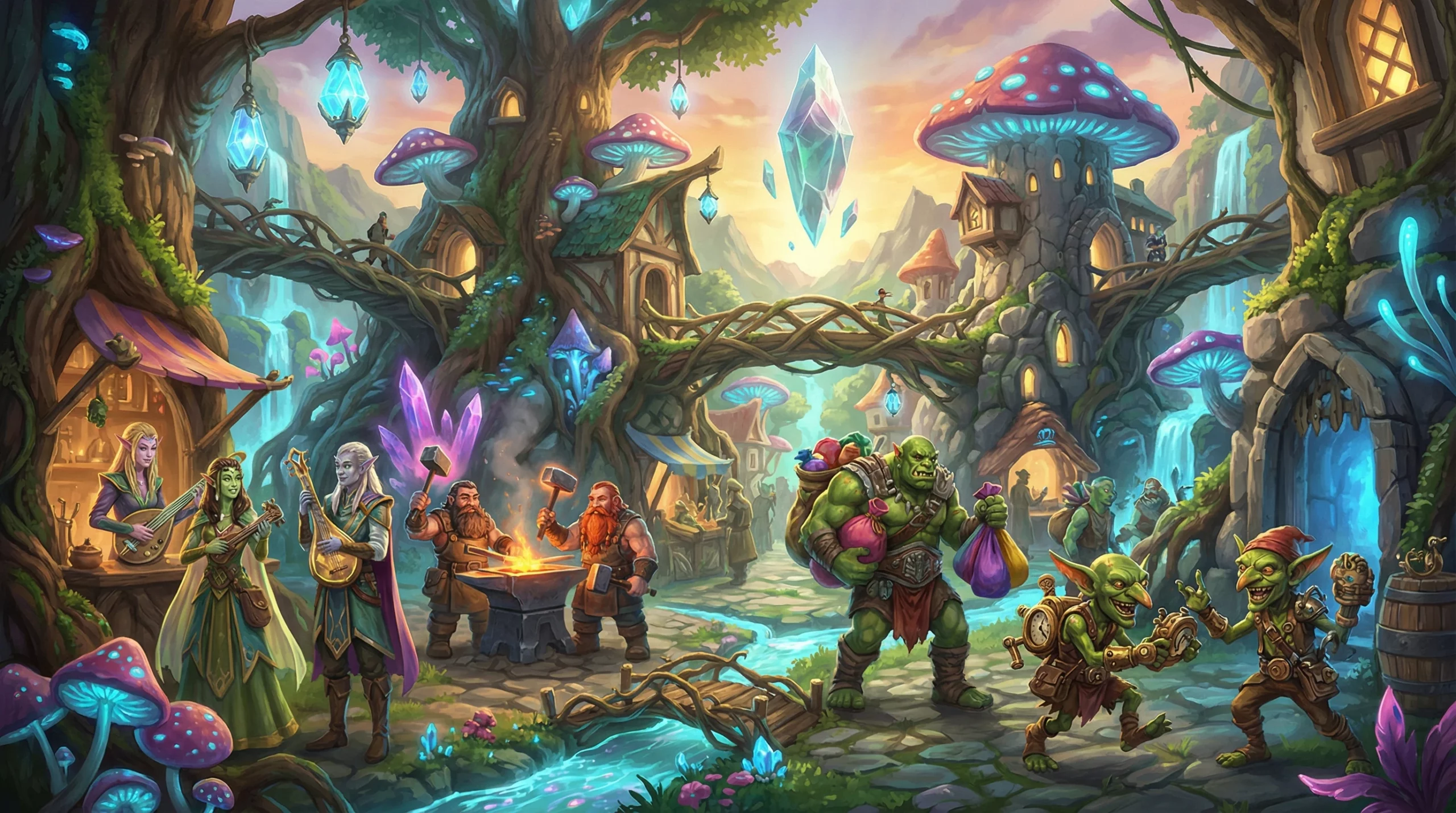
Building a fantasy world where magic, monsters, and different races all mix together gets pretty fun once you start digging into how culture and society shape everyday life. Nailing down how fantasy races organize themselves, what matters in their communities, and how they actually live day to day does a lot to make stories pop and worlds feel real. I’m breaking down some ways to think about structure, hierarchy, and daily customs for fantasy races, so you can cook up a living, breathing society instead of just a cool monster list.
Core Foundations: What Drives a Race’s Society?
J.R.R. Tolkien’s approach to the creation of cultures and societal structures in his literary works is deeply rooted in his passion for mythology, language, and history. He believed that a rich, immersive world is built upon the intricate details of its societies, including their customs, languages, and belief systems. Tolkien meticulously crafted the cultures of Middle-earth, drawing inspiration from various mythologies and historical influences, while also developing unique languages that reflect the distinct identities of each race. His philosophy emphasized that the essence of a culture is revealed through its stories, traditions, and interactions, allowing readers to experience a sense of authenticity and depth that brings his fantastical world to life.
Every society, fantasy or not, runs on some main idea or value system. For elves, dwarves, orcs, goblins and others, those basics influence how they talk to each other, what their cities look like, and what really matters to them. Here’s what I look at first:
- Environment: The climate, geography, and resources shape not just architecture but cultural habits too. Dwarves in deep mountains will treasure mining, while wood elves in towering forests love living treehouses and value the health of their woods.
- History and Myth: Legends, disasters, or past wars often explain why societies are strict, open, wary, or proud. Maybe goblins were once slaves and cherish freedom above all, or high elves teach history in magical tapestries so nobody forgets.
- Magic and Technology: If magic is rare, maybe those who can use it are high-status. If it’s everywhere, society might just see it as another tool. Dwarf tech could mean elaborate machines are common; elven lands might have magical streetlights and living bridges.
Other big drivers include traditions rooted in early history, or natural adversities that forced a race to become adaptive or defensive. Sometimes, societies are molded by contact with rivals or neighbors—for instance, dwarves protecting their tunnels against invading orcs could become extremely secretive and reliant on family bonds to stay safe.
Social Hierarchies & Governance Structures
Who’s in charge, and how do you get power? For a lot of fantasy societies, these questions mean everything. Here are several ways fantasy races keep things running (or not):
- Monarchies and Councils: Elves often go for councils of elders, usually magical or ancient. Dwarves sometimes prefer a king or queen, typically one proven in battle or by lineage. Authority might be open or locked in by bloodline.
- Clans and Tribes: Orcs and goblins often organize around tribes or clans, with the biggest, smartest, or most charismatic person leading. Sometimes challenges are sorted by ritual combat or cunning instead of elections or birthright.
- Guilds and Meritocracies: Dwarves and gnomes might put inventors, master craftsmen, or the best miners in charge, no matter who their parents are. These societies reward skill and achievement, so you grow your standing by proving yourself over and over.
- Theocratic or Magical Rule: Sometimes those who have rare powers or serve the gods most closely end up in charge. A priesthood, circle of wizards, or high shaman might lead, all based on mystical signs or magical skill.
Other societies might be more democratic, letting all adults vote on the most important community matters. It can also be a blend—perhaps a council decides day-to-day business, but a single leader is chosen in times of war or crisis. The key is consistency: whatever style you pick, make sure it fits the history and values of your fantasy race.
Dungeons & Dragons – Adventures in Faerun

Daily Life and Cultural Traditions
It’s one thing to know who makes the laws. It’s a whole other thing to know what people do day to day. Here’s what brings some color to cultures:
- Family Structures: Elves might live for centuries and have sprawling extended families, while goblins may travel in bands of only a handful. Dwarves might value strong family lines, with regular meetings by the hearth to share news and wisdom, and orcs could forge brotherly bonds through shared battles.
- Rituals and Festivals: Cultures need breaks from the daily routine, which include religious feasts, harvest events, or rites of passage for coming of age. Elves might have starwatch dances, dwarves celebrate mine breakthroughs, and orcs throw massive bonfire nights after raids.
- Food and Craft: What folks eat and make says a lot. Dwarves probably love hearty stews and stonecarved crafts, while elves live on honeyed bread, fresh fruit, and delicate embroidery or musical instruments. Goblins could eat bugs and bake with whatever’s available, crafting fun tools or strange potions from found scraps.
Don’t overlook art, music, sports, or storytelling either. A culture’s favorite tales, music, and friendly competitions can inspire everything from language quirks to architecture and city layouts. Tournaments, magical duels, or storytelling contests keep things lively, and little customs—like a dwarf’s morning chant or an elf’s tea ceremony—can make your world feel realistic.
Conflict, Law, and Justice
Every society needs a way to handle rulebreakers, big fights, and disputes. These systems usually match the rest of the culture’s feel:
- Honor Codes: In a society built on honor (like dwarves or knights), reputation is everything. Disputes might get settled with formal duels or council mediation, and a bad reputation can be worse than banishment.
- Clan Justice: Orcs, goblins, or tribal groups might have direct justice. Quick punishments or banishments decided by the group can be common. Sometimes it’s “eye for an eye,” other times a mix of challenge, exile, or working off a debt solves conflicts.
- Legal Systems and Officials: Elf and human cities might have written laws, courts, magical enforcement, and judges (sometimes enchanted ones). Justice is slow but usually fair; magical crimes might mean extra strange punishments, like a quest for redemption or a spell on the guilty party as a lesson.
Beyond these, look at crime rates, prisons or exile practices, and debates over what counts as a crime (is magic theft the same as regular theft?). It all shapes the society’s tone and how people relate to laws and tradition.
Property, Resources, and Wealth
Who owns what, and who gets what share, matters a lot in most cultures. Here’s how this sometimes works:
- Shared Resources: Communal living pops up with orcs and goblins where everything is shared and property is common. Disputes over food, weapons, or loot get settled quickly, or they become the next group challenge.
- Family Holdings: Dwarven families might own mines, workshops, or storied weapons passed down. Elves could keep land in families for millennia, with huge, tangled property ties between noble houses.
- Barter vs. Coin: Not every culture uses gold. Orcs and goblins might stick with barter or trade in favors, while dwarves mint their own coins and elves might use enchanted tokens or gems.
Consider how scarcity, abundance, or tradition influences who works, who gets paid, and what wealth means. Some societies might put more value on magic, reputation, or knowledge than on gold or land. In others, hoarding resources could mean power, or generosity could win you status. The rules for inheritance, charity, and taxes (even magic taxes) shape how families and friends interact.
Racial Values, Religion, and Worldview
Cultural values shape what individuals hope for, what makes a “good” person, and what society frowns on. Some quick examples:
- Elves: Usually value beauty, learning, nature, and magic. Goodness means caring for the forest, singing the old stories, and guarding ancient secrets.
- Dwarves: Treasure loyalty, strength, hard work, and craftsmanship. Keeping your word and honoring the past sit at the core.
- Orcs: Celebrate power, courage, and standing behind your clan no matter what. Glory in battle is often more important than money or land.
- Goblins: Adaptability, cleverness, and quick thinking rule the day. Outsmarting a rival matters as much as fighting them.
Religion and spiritual beliefs influence life, too. Some races have gods that walk among them, while others depend on ancestor spirits or tribal totems. Rituals, taboos, and sacred places add color and can create conflict or dramatic plot hooks. Ask what happens when tradition clashes with change—does society bend, or does tradition win out?
>>Designing Your Own Fantasy Races<<
Tips for Designing Fantasy Societies
Crafting these societies is my favorite part of worldbuilding. Here are some tips I’ve found really useful:
- Borrow from Real Life, But Twist It: Take bits of real cultures, like how the Vikings valued honor or how realworld nomads moved with the seasons, then make it weird, magical, or monstrous.
- Mix Magic Into Everything: If magic can shape cities, heal wounds, or create food, imagine how it changes daily life, or even what problems it causes.
- Let Conflict Breathe: Tension between races, classes, or families adds flavor and keeps things interesting. Maybe highmagic elves look down on techloving dwarves, or orc raiders clash with citydwelling humans.
- Think About Outsiders: How does the society treat strangers? Welcoming or suspicious? Do they let outsiders join or keep their secrets locked away?
Don’t be afraid to add quirks or traditions that don’t exist anywhere else, and show how community members interact differently with outsiders or those who break norms. All these little things make your world stronger and more memorable.
Frequently Asked Questions
Here are some common things I get asked about creating fantasy societies:
Question: How much detail should I go into for each race?
Answer: Go as deep as you need for your story or campaign. Main cultures your characters interact with a lot will need more detail, but side cultures can be painted with a few broad strokes.
Question: Can I skip traditional fantasy tropes?
Answer: Totally! Mix up expectations or invent something new. Maybe elves who hate magic, or dwarves who live in sky cities. Break the mold if you feel like it.
Question: How do I keep societies from feeling too similar?
Answer: Focus on different values, beliefs, and habits for each group. Ask yourself what each race fears, hopes for, and won’t compromise on, and use that as your guide.
Wrapping Up: Worldbuilding For Fantasy Races
Fleshing out culture and society structure takes a fantasy world from cookie cutter to totally unique. Thinking through family, power, tradition, values, and daily life gives readers or players something real to grab onto, and makes your world a place folks want to get lost in. That’s how the stories and characters you create get a real shot at being memorable (and super fun for everyone involved).
Our website contains affiliate links. This means if you click and make a purchase, we may receive a small commission. Don’t worry, there is no extra cost to you. It’s a simple way you can support our mission to bring you quality content.
**Disclaimer**: The views expressed in this article are based on personal experience and creativity. Always consider multiple perspectives when designing fantasy races.
About the Author
Seraph is an aspiring worldbuilder and creative enthusiast who explores the realms of imagination through collaboration with AI. By sharing ideas and visions, they bring vibrant stories and unique fantasy realms to life. Passionate about crafting immersive worlds, Seraph invites readers to join the adventure of discovery and creativity.