
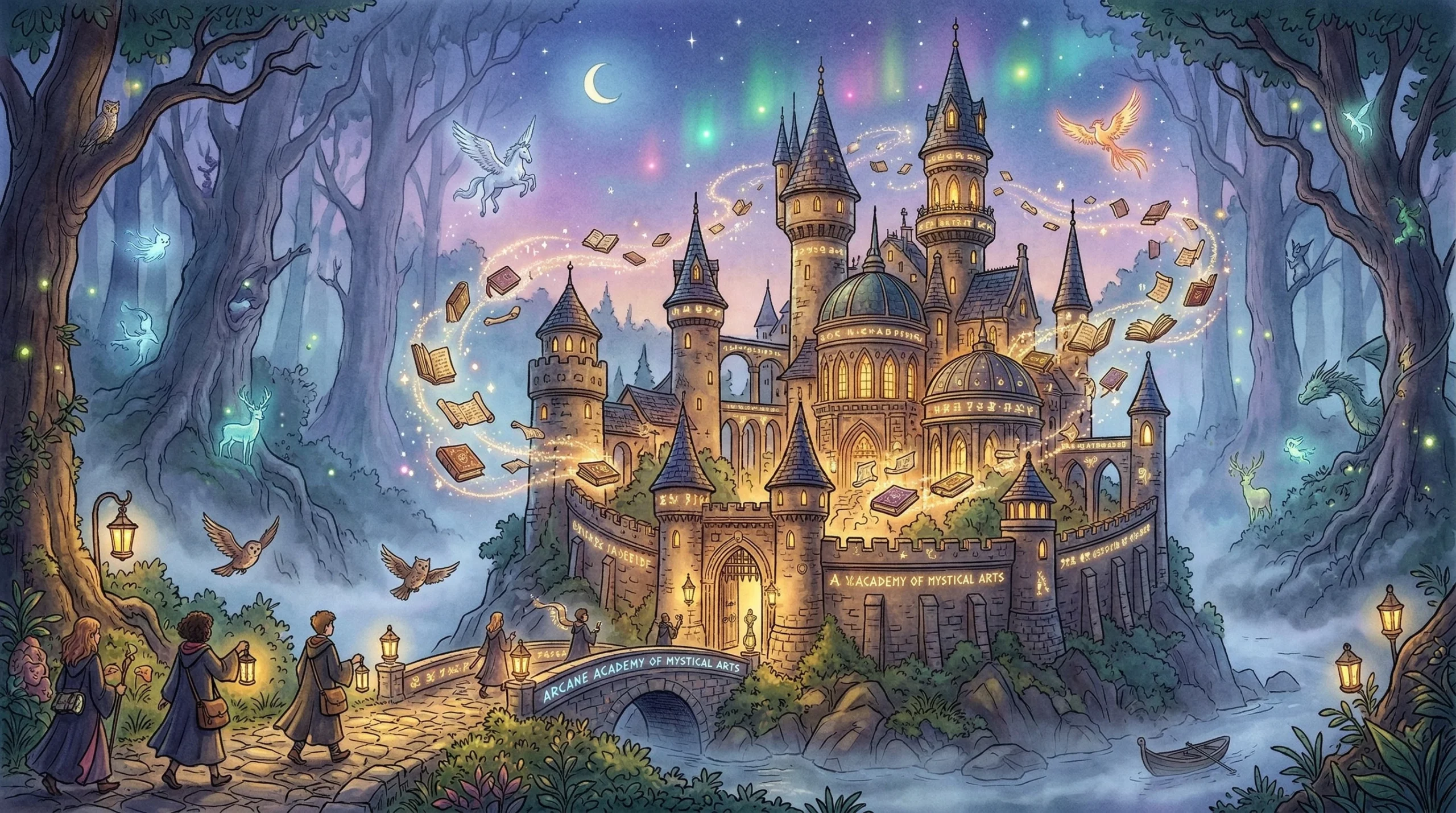
Magical schools are one of those fantasy tropes that never seem to lose their shine. From Hogwarts’ twisting staircases to the spellbound towers of Unseen University, the idea of stepping into a place where lessons include potion brewing or summoning lightning just clicks with me, and honestly, I’m pretty sure with a lot of other readers too. These enchanted academies offer more than just a sparkling backdrop; they’re launchpads for personal change, risky quests, strong friendships, and plenty of fun magical trouble along the way.
The Ancient Appeal of Magical Academies
Even before authors started sending kids to wizarding schools in novels, the idea of a hidden place to learn magic has been around for ages. Mythology and folktales are full of secret masters and legendary sanctuaries where chosen learners stumble upon the skills they need to change their worlds. Think of Merlin training Arthur, or folk heroes traveling to distant temples for secrets only the wise can teach. The fantasy version of a magical school just takes these roots and gives them a fresh spin, with enchanted textbooks, living classrooms, and sometimes even dueling clubs!
What I love about this history is how it makes magical learning feel timeless. Magical schools borrow a sense of mystery from old stories, and they feel a bit like ancient monasteries or hidden shrines but with way cooler homework assignments. Even today, we track down themes rooted in old legends that feel brand new when set inside a magical campus. The notion of a young hero or heroine getting the chance to grow, learn, and face the unknown within those enchanted halls connects the classic hero myth with the more grounded stories about fitting in at school. Blending these ideas creates a unique mix that fantasy fans return to again and again.
Why We’re Drawn to Magical Schools
I’ve noticed that whenever I pick up a fantasy book featuring a magical academy, I’m in for a ride that pulls me back to being a kid and wondering what secrets might be hiding down the school hallway. There are a few reasons why these fantasy schools stick with so many people:
- Personal Growth: Magical schools are all about characters growing into themselves. Watching an awkward firstyear wizard or a rebellious witch figure out their place just hits different when they’re learning to tame dragons or write spells as part of the process.
- Found Community: The friendships, and sometimes playful rivalries, between students at these schools are honestly some of the most relatable parts of fantasy fiction. Magic just raises the stakes, so suddenly a food fight might involve actual flying pies or a school dance might be hosted in a hall glittering with illusions.
- Layers of Mystery: Secret passageways, forbidden books, mysterious towers—there’s always something left to stumble upon at a magical academy. Every time I read about a new secret society or an ancient riddle hidden under the library floor, I feel like I’m solving the mystery right alongside the characters.
- That ComingofAge Energy: At its core, a magical school story is about growing up, but with magical problems mixed in. It’s not just about surviving midterms, but maybe also breaking a curse or learning to trust your own instincts. That tension just makes everything feel a bit more electric.
- Hogwarts Legacy – PlayStation 5

What Makes a Fantasy School Feel Real?
As someone who’s spent too many hours sketching out imaginary boarding schools on napkins, I’ve learned there are a few ingredients that really sell the idea of a magical academy:
- Quirky Traditions: The best schools have their own rituals and quirks, from midnight feasts in the dining hall to bizarre sports played with living broomsticks. Creating those little traditions makes a place feel alive.
- Unique Magical Tools and Classes: Spells and wands are classics, but magical education can go much broader. Enchanted musical instruments, living paintings, or even timetraveling textbooks can really spice things up. Courses might include elemental gardening or wards & shields 101, honestly, my dream class schedule.
- Unforgettable Instructors: I always look for teachers with real personality, maybe a professor who turns into a raven at noon or an alchemy teacher with a suspiciously long beard. Their backstories, weird hobbies, and mysterious alliances add a lot to the story.
- Hidden Lore and History: Magical schools with deep roots always feel richer. One of my favorite writing tricks is hinting at older legends, longburied scandals, or feuds that make a school’s presentday drama feel way more intense.
When crafting your own magical academy, it helps to mix in the daily lives of students—regular classes, exam stress, and the excitement that comes with growing up. Mundane challenges give balance to magical mayhem, grounding the story and helping the fantastic elements stand out. Consider how students might gossip about legendary alumni, secretly map out hidden corridors, or collect enchanted trinkets left behind by past generations. These details help bring a magical school to life and build a believable world readers can imagine exploring for themselves.
Building a Magical School: Tips for Worldbuilders and Writers
Dreaming up your own magical academy? Here are some ideas that have helped me create places readers want to visit again and again:
- Give the School a Heart: Is it a place of strict rules and hidden dangers or one that thrives on chaos and play? The school’s core vibe shapes the kinds of adventures your characters can have.
- Create Different Houses or Cliques: Dividing students into groups with their own values and rivalries isn’t just fun; it’s a great way to add extra layers of drama.
- Invent Your Own Magical Sports or Competitions: Whether it’s spellcasting duels or weird obstacle courses, give students a chance to show off (or trip up) in public.
- Design Enchanted Architecture: A moving staircase, a forest that prowls at night, or dorms that adjust to students’ moods—these details make the setting jump off the page.
- Let History Influence the Present: Ancient curses, old rivalries, or a founder’s forgotten diary can all send characters on wild adventures or cause real trouble.
Besides these tips, it’s helpful to picture how the school interacts with the outside world. Do nonmagical folks know about it? Are there magical creatures living nearby? Are there rules against practicing certain forms of magic? Thinking about these kinds of questions can give your academy extra depth and make it a place readers want to return to. Also, remember that the students’ family backgrounds, personal goals, and unique magical abilities all offer more material for stories set in the same school environment.
Case Study: The Whispering Spires Academy
For anyone curious about my own take, I’ve spent time developing a fictional school called Whispering Spires Academy. It’s perched on a mistshrouded hill with towers that literally whisper old secrets when the wind is just right. Students climb rope bridges to vinerapped classrooms, use singing crystal orbs as flashlights, and attend lectures in amphitheaters grown from living wood. The school’s annual “Night of the Fallen Stars” festival is a big deal, with enchanted lanterns floating up into the clouds, and each year students try (and usually fail) to outdo each other with magical fireworks.
Whispering Spires isn’t just about learning spells. It’s a place where every shadow might hide a clue to the school’s older mysteries, and every teacher has their own odd side quest for you to try out. The school grows and changes with its students, and sometimes that means secret rooms opening only for those who really need them. I wanted a place where nothing felt fixed, where even the corridors liked to play tricks, and where making mistakes was just part of growing up magical. The school’s kitchens boast a staff of enchanted cutlery and grumpy talking teapots, and there’s a rooftop garden where nightbloom flowers open only during full moons. Each term sees new student projects, from flying tapestry races to potionfueled light shows. These little details keep the world fresh each time I write about it, and remind me why magical academies keep their spot at the center of so many beloved fantasy novels.
Common Questions About Magical Schools in Fantasy
What are some classic examples of magical schools?
Hogwarts from Harry Potter is the most famous, but there are plenty more, like Brakebills from The Magicians, the Unseen University from Terry Pratchett’s Discworld, and Scholomance from Naomi Novik’s A Deadly Education. Each one has a different personality, from mysterious to downright quirky.
Why do so many fantasy authors choose a school setting?
Schools are readymade environments for drama, friendship, and big changes. Plus, readers of all ages can relate to learning new things and finding their tribe, even if spell mishaps aren’t on the real life curriculum.
How do magical schools stay interesting after the first book?
The trick is to keep evolving the school. Reveal new corners, invent new classes, and throw in problems that force characters to dig into the school’s backstory. A setting that grows with its students always stays fresh.
Final Thoughts
Magical schools in fantasy offer a mix of wonder, chaos, and heart. For me, what makes them special isn’t just the spells and secret doors, but the way they invite readers to believe there’s magic tucked away in the everyday world. Whether you’re dreaming up your own enchanted campus or rereading your favorite school scenes, magical academies will always have a spot on my imaginary map. And if you ever find yourself wandering down a mysterious hallway or catching whispers behind a portrait, maybe that’s just your own story starting to come to life.
Our website contains affiliate links. This means if you click and make a purchase, we may receive a small commission. Don’t worry, there is no extra cost to you. It’s a simple way you can support our mission to bring you quality content.
**Disclaimer**: The views expressed in this article are based on personal experience and creativity. Always consider multiple perspectives when designing fantasy worlds.
About the Author
Seraph is an aspiring worldbuilder and creative enthusiast who explores the realms of imagination through collaboration with AI. By sharing ideas and visions, they bring vibrant stories and unique fantasy realms to life. Passionate about crafting immersive worlds, Seraph invites readers to join the adventure of discovery and creativity.