
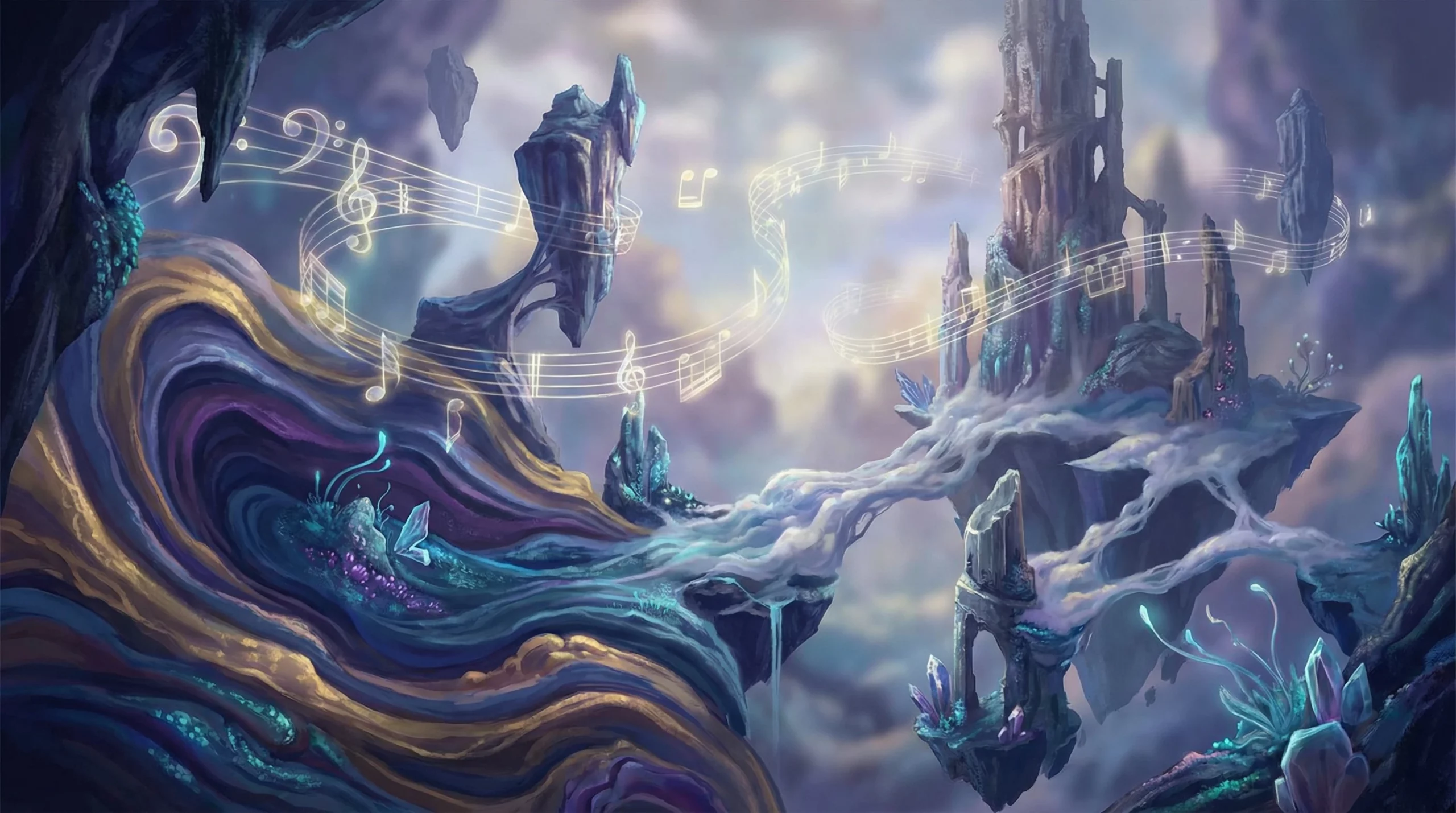
Music sits at the heart of almost every story I build. Whether I’m outlining a sprawling fantasy city or dreaming up the rituals of an alien culture, the right tune always helps me settle into the world I want to create. Using music as part of my worldbuilding isn’t just about boosting my mood. It’s about letting sound shape the feel, style, and logic of my imagined places. Here’s how I use music to dig deeper into creativity and atmosphere, and how you can play around with soundtracks in your own worldbuilding process.
Why Music Matters in Worldbuilding
Music has a sneaky way of pulling emotions to the surface. For me, just a few seconds of the right song can pull my imagination out of the real world and right into someplace new. When I’m writing, this is pretty handy for snapping myself into the right creative headspace. It also helps me put a specific mood onto the worlds I’m building.
Sometimes it’s a dark, pulsing rhythm that puts me in a gritty cyberpunk mindset. Other times, spacious ambient tracks are what I reach for when building lonely ice moons or enchanted forests. I’ve even had whole fictional cultures and mythologies jump to life from misheard lyrics or evocative melodies. Music acts almost like a shortcut, bridging the gap between feeling and creation.
Finding the Right Soundtrack for the Job
Not every song fits every story. Picking the best background playlist depends on the kind of world I want to build or the feeling my characters should be swimming in. There’s no single formula, but here’s how I tend to match music to my plans:
- Epic Fantasy Settings: Orchestral scores (like Howard Shore’s Lord of the Rings), folkinspired instrumentals, and Celtic or Nordic artists work really well for summoning kingdoms, forests, and old magic.
- Science Fiction and Futuristic Worlds: Synthheavy tracks, ambient space music, and glitchy electronica set the right tone when I’m building neon skylines or distant planets.
- Urban, Gritty Stories: Jazz, darkwave, or experimental hiphop tracks give the right sense of layered city life, shadows, and conflict.
- Melancholic or Dreamlike Scenes: Minimal piano, postrock instrumentals, or ambient classical can add introspection or surreal vibes to almost any genre.
I’ll build a few playlists for different projects, sometimes even for specific cultures, characters, or scenes. This mixing and matching keeps my worlds feeling distinct in my own mind, and switching up the soundtrack is a trick I use whenever I start feeling stuck.
Tips for Working with Music When You Write or Plan
Music can be a best friend, but it’s also easy to get distracted and start humming along instead of writing. Here are a few ways I keep things useful and focused for creativity:
- Instrumentals First: Lyrics can be super inspiring, but I find instrumental music stays out of the way when drafting or brainstorming.
- Match Mood to Task: Slow and atmospheric for worldbuilding notes. Energetic tracks for action scenes. Nostalgic songs for character backstory sessions. I pick carefully for different writing jobs.
- Curate Playlists: I use Spotify and YouTube for building private soundtracks, then label them by world or theme so I can return quickly.
- Let the Music Bleed Through: Sometimes a big, emotional crescendo is what lets me see a city skyline or a ritual in a new light. I let myself follow these moments, see what pops up, and jot down ideas.
The Creative Role of Music Inside Your World
Music doesn’t only exist as background noise while I write. It slots nicely into the worlds I’m making. Maybe there’s a sacred song sung at dawn in a mountain village, or a bard who’s secretly casting spells through melodies. Even the kinds of instruments a culture values can tell you about their history, beliefs, and daily life.
Here are some worldbuilding questions I like to ask using music:
- Are there forbidden notes or scales that hold power or cause fear?
- Do certain melodies belong to the elite, or is street music everywhere?
- Could a festival, conflict, or comingofage ceremony revolve around music or dance?
- How does music sound with nonhuman inspiration—think insect harmonics, crystals resonating, or underwater singing?
The answers to these questions can spark really unique customs, languages, and stories. Sometimes, I’ll even invent lyrics or a rhythm as a detail for a culture’s folklore or magic system.
Building a Soundtrack for Your World: My GoTo Picks
I get a bunch of inspiration from a mix of movie scores, video game soundtracks, and independent artists. Here’s a taste of what’s in my rotation for various vibes:
- Fantasy: Jeremy Soule’s Elder Scrolls scores, Two Steps From Hell for dramatic builds, and the medieval stylings of The Witcher 3 soundtrack.
- Futuristic or Cosmic: Brian Eno’s “Apollo,” Tycho’s atmospheric electronica, or cosmic synth tracks from Solar Fields.
- Mystery and Melancholy: Nils Frahm’s gentle piano, Olafur Arnalds, and Sigur Rós (for those otherworldly Icelandic vibes).
- Tense or ActionHeavy: Audiomachine, epic trailer music, or the pounding beats of Perturbator for cyberaction scenes.
Curious to see how your favorite songs color your imagined worlds? Try rebuilding an old idea or outlining a new place after listening to something totally different from your usual go to music.
Audio-Technica ATH-M50X Professional Studio Monitor Headphones, Black, Professional Grade

Common Hurdles: When Music Gets in the Way
Music is a helpful tool, but it’s not always smooth sailing. I hit a few bumps from time to time, so here’s how I handle the main issues:
- Overstimulation: Some days, big, booming soundtracks zap my focus. I swap them out for simple, lowenergy ambient sounds or even silence if needed.
- Too Many Playlists, Not Enough Writing: Curating can get addictive. I keep a single “work in progress” soundtrack and just add to it slowly over time.
- Lyrics Take Over: If I find myself typing song lyrics instead of dialogue, that’s my cue to switch back to instrumentals.
Instrumentals for Focus
Instrumental playlists help when I get easily distracted. Ambient, electronic, or orchestral tracks work best for me. They provide atmosphere without tripping up my brain with words.
Try NonWestern and Unusual Sounds
Experimenting with unfamiliar music from different cultures or with nontraditional instruments opens new creative pathways. Sometimes a single odd instrument inspires a unique fantasy race or a magical tradition in my world.
Stuck? Flip the Mood
When worldbuilding grinds to a halt, I switch playlists completely. It’s wild how flipping from gentle folk guitar to aggressive synths can jolt creativity back to life.
Leveling Up: Advanced Ways to Weave Music into Worldbuilding
After using music for inspiration, I sometimes take it further and actually build music into the story itself. This might look like creating a mythical song passed down for generations, or writing out the lyrics to a ballad that appears at a turning point in my book.
A cool trick is to actually play or sing out loud whatever music you imagine would exist in your world. I’ve heard of writers and tabletop game masters creating theme songs, national anthems, or chants for their own settings. Even humming a few bars while jotting ideas down helps visualize the vibe of a scene or ritual.
- Inventing Fictional Instruments: Create a tabletop dice set representing a culture’s percussion, or invent an alien string instrument tuned to a different scale.
- Describing Sonic Details: Go beyond the visuals. Describe how music echoes in a canyon, or how the rhythm of a festival changes at midnight.
- Making Music Magic: Let music have power in your story, whether for healing, weather control, or memory.
Frequently Asked Questions
There’s a lot to stumble upon when working music into worldbuilding. Here are a few questions I hear from other writers and creators:
Question: Can music really help if I struggle with focus?
Answer: Yes, if you pick the right type. Go with instrumentals or even nature sounds (like rain or distant thunder) to help set mood and cut distractions.
Question: What if my world is very different from our own; how do I find matching music?
Answer: Try anything experimental, nonWestern, or even electronically manipulated. Sometimes less familiar sounds match strange or alien settings way better than classical pieces.
Question: How do I keep music in my worlds from feeling just like Earth traditions?
Answer: Mix in invented instruments, odd rhythms, or cultural rules. For example, certain notes might be off limits, or only played during eclipses. Describing a tradition around who can play, and when, is a real game changer.
Wrapping Up: Building Worlds with Sound
There’s no right or wrong way to use music in your creative process. For me, letting sound set the mood, pace, and logic of a world makes everything feel richer. Whether you play music to get in the zone, write about magical songs and forbidden harmonies, or invent new tunes for your setting, music is a tool worth keeping close by. Explore, experiment, and see where the next melody takes your imagination.
Our website contains affiliate links. This means if you click and make a purchase, we may receive a small commission. Don’t worry, there is no extra cost to you. It’s a simple way you can support our mission to bring you quality content.
**Disclaimer**: The views expressed in this article are based on personal experience and creativity. Always consider multiple perspectives when designing fantasy realms.
About the Author
Seraph is an aspiring worldbuilder and creative enthusiast who explores the realms of imagination through collaboration with AI. By sharing ideas and visions, they bring vibrant stories and unique fantasy realms to life. Passionate about crafting immersive worlds, Seraph invites readers to join the adventure of discovery and creativity.