
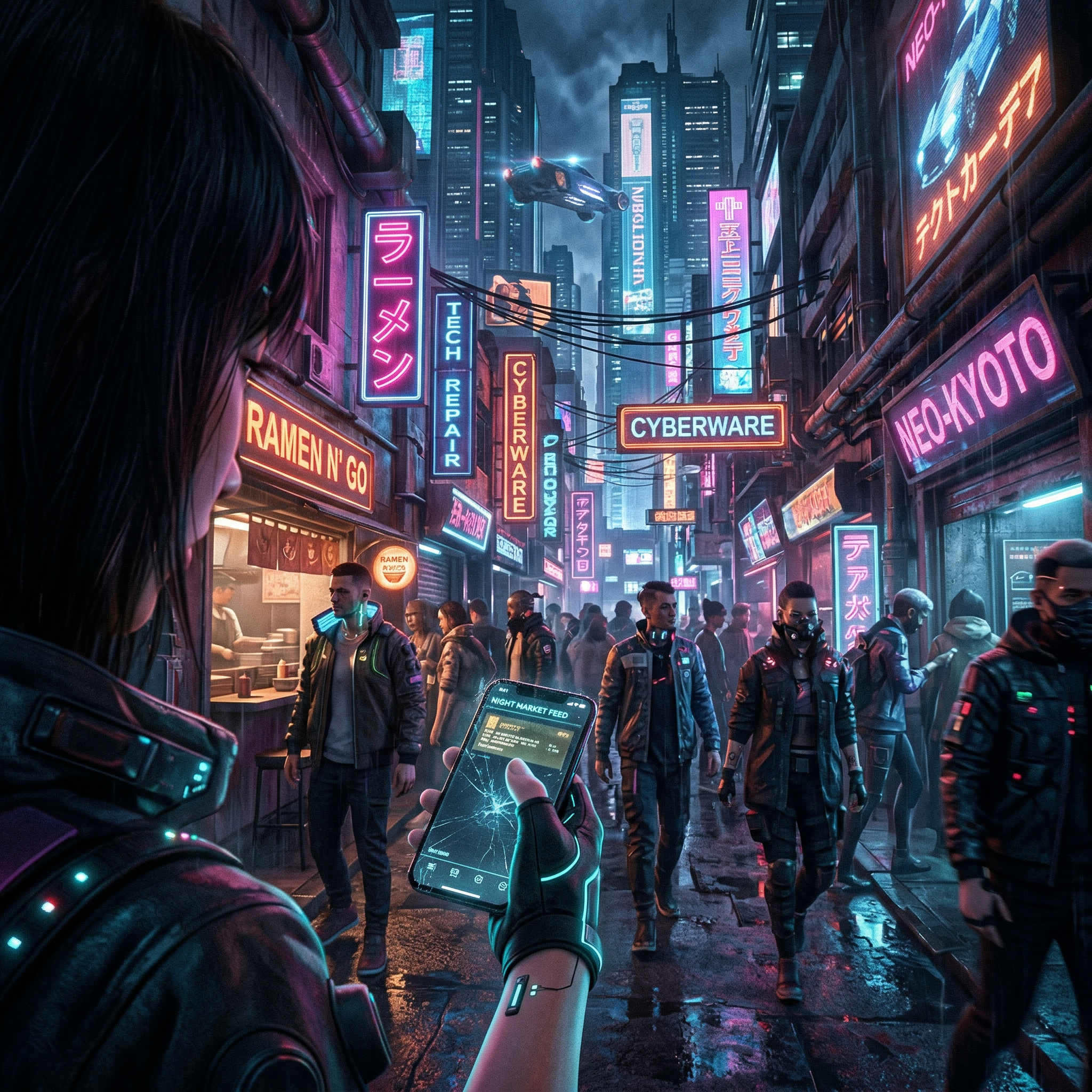
Perspective is one of the most powerful tools I use in character creation. Whether I’m building a quirky hero, a complicated antagonist, or a side character with a memorable spark, getting the viewpoint right totally shapes who these people are on the page. Characters aren’t just bundles of traits; they feel real because they carry their own beliefs, habits, flaws, and memories. Learning how to slip into someone else’s head adds depth and authenticity that readers can feel right away.
The Role of Perspective in Bringing Characters to Life
Whenever I read a story where every character sounds and thinks the same, it gets pretty dull fast. Perspective is what keeps that from happening. Writing from different viewpoints pushes me to explore how each character notices, reacts, and understands their world.
Getting perspective right helps:
- Dodge the Copy-Paste Trap: It’s easy to accidentally write characters who seem like carbon copies of myself. Focusing on perspective keeps things varied and lively.
- Make Characters Relatable: When readers see the world through truly different eyes, they’re more likely to get invested in the quirks and battles each character faces.
- Fuel Conflict and Connection: Distinct perspectives mean fresh arguments and surprising bonds. When two characters see the same situation in totally different ways, their clashes and friendships become a lot richer.
Perspective isn’t just about what a character observes. It’s about how they feel, what they know, and where their blind spots are. The magic happens when these differences show up on the page, shining a light on their unique view of the world and generating unexpected drama or connection.
Foundations: What Makes a Character’s Perspective Unique?
Every character’s point of view is built from a blend of background, beliefs, desires, and experiences. When I create someone new, I take time to consider all these layers:
- Personal History: What have they lived through? Past events shape the lens a character uses to take in what’s happening now. A past failure or proud moment can echo in their minds during the present story.
- Culture and Environment: Where and how they grow up leaves a mark on their worldview. Two siblings in the same family could still see things differently, depending on their roles or separate experiences.
- Personality: Anxious, bold, skeptical, trusting—these traits switch how a character reacts to stress or opportunity. An anxious person might spot threats before seeing anything else, while someone bold might overlook danger to chase excitement.
- Beliefs and Biases: What does the character value or fear? Sometimes, these are quietly picked up from parents, friends, or mentors. Other times, they’re hard-won gifts from their own challenges or defeats.
>>See Culture And Society Structure For Fantasy Races<<
Whenever I build a character’s perspective, I dig into these factors. For example, a character raised in a tiny town might notice tradition everywhere they go, even if they rebel against it. Meanwhile, someone who feels invisible at work may see every conversation as another opportunity for rejection or validation. These beliefs and filters shape how the character steps through a scene and what stands out to them versus what fades into the background.
How to Practice Writing Distinct Perspectives
Getting into another mindset isn’t something I leave to pure luck. Here are some methods I lean on that really help develop unique perspective in character creation:
- Character Interviews: I picture myself asking each character about their earliest memory, biggest regret, or what’s in their pockets. Unusual or surprising answers show where their mind is different from mine. Sometimes, their responses even surprise me.
- Switching Viewpoints: I’ll rewrite a short scene from several characters’ points of view, even if only as a warmup. This is great for spotting how they notice or miss different details. Some focus on visual details, some fixate on emotions, and others zero in on motivations.
- Everyday Scenarios: Sometimes I picture an ordinary event—like taking the subway or ordering coffee—and have my characters walk through it. Who are they watching, what do they assume, what do they want? A trip to the grocery store can feel like an adventure for a child, a hassle for a tired parent, or a tactical mission for someone shy.
- Arguing Both Sides: I draft out arguments and make sure each side sounds like someone who truly believes what they’re saying. When both have solid motivations, their conversation comes alive. A good argument reveals values and flaws.
- Borrowing from Real Life: I keep my ears open all day for fresh phrases, perspectives, and reactions. I’ll watch how friends or even strangers deal with disappointment, boredom, or surprise. These moments show me new ways a character might respond in those same moments.
Examples: Inner Voices and Overlapping Perspectives
Sometimes, I write out inner monologues for my characters to help clarify their thinking, especially in moments of tension. Here’s a quick example:
Sam’s Thoughts:
“My sister always rolls her eyes when I talk about work. She thinks I should just be grateful. I wish she’d listen instead of treating it like a joke. Someday, I’ll show her what I can do. Maybe she’ll ask me about my day for once.”
Jordan’s Thoughts:
“Sam makes everything about that job. It’s like he’s trying to get a gold star every time. I wish he’d relax, just for once, and stop worrying about being perfect. Doesn’t he see how hard everyone else is hustling too?”
Flipping back and forth between their minds helps me understand misunderstandings, jealousy, and small moments of care that shape both characters, without either one becoming a villain. Adding these inner voices to a conversation raises the stakes for each moment and makes conflict feel earned.
Challenges to Avoid When Writing Perspectives
Staying consistent while switching perspectives takes practice. Here are the main challenges I run into, and some tips for getting past them:
- Everyone Sounds the Same: If all my characters narrate with the same tone and vocabulary, I go back and experiment with different voices. Sometimes I build a small “voice reference” for each character with sample lines and words they’d use, as a handy reminder of their style.
- Forgetting Growth: Perspective can change over time. When a character learns, suffers a loss, or succeeds, their attitude and beliefs often switch too. Tracking those moments keeps my story honest and engaging. Marking “pivot moments” in a character’s arc helps me remember to update their perspective as they move forward.
- Over-Explaining: Too much telling about what a character thinks or feels gets boring. I try to show it in their choices, mistakes, and what they notice. Actions and reactions speak volumes, so I add descriptive beats that reveal hidden fears or hopes.
- Falling into Stereotypes: Fresh perspective means I research and check my own assumptions. Careful reading and even asking people who share certain backgrounds helps me avoid lazy “stock” characters. The more real-life inspiration I get, the more truthful my characters become.
Tip: Build a Perspective Reference Sheet
One thing I find super useful is making a cheat sheet for my main cast. It includes:
- Favorite phrases or slang
- What keeps them up at night
- How they see three other characters in the cast
- One thing only they would notice in a crowd
Glancing back at these notes reminds me to keep their inner worlds distinct and lively. A quick review before writing a scene can get me back into their voice fast.
Sparking Inspiration: Expanding My Perspective Toolbox
There’s so much inspiration out there. I turn to:
- Memoirs and Biographies: Real people’s experiences make for gold when I want to create characters outside my own personal bubble. Reading about struggles and triumphs from all walks of life grows my perspective bank.
- Podcasts and Interviews: Listening to how people phrase their big life events or daily routines helps me develop more natural dialogue and perspective shifts. Some podcasts focus on “day in the life” stories, opening doors to voices I’d never think to write myself.
- Travel and New Experiences: Even just trying a new activity or learning about a different community can give me insight into how people adapt and what surprises them. Stepping out of my routine is a great way to stumble upon story seeds.
- Asking WHY: I make it a habit to question why my character reacts the way they do, whether it’s an impulse, habit, or a deeply held fear. Those answers often lead me to new plot twists or conflicts. Getting curious about motivation gives depth to even one-off characters.
Frequently Asked Questions
These are a few questions I get from folks who want their characters to feel more “real” through perspective:
Question: How do I make sure my characters don’t sound like me?
Answer: I pay attention to language, assumptions, and priorities. Giving each character a distinct goal or secret often nudges them out of my own mindset. It’s also super helpful to read their lines aloud; if I start mixing them up, I go back and tweak until each one feels unique.
Question: Can two characters share a perspective?
Answer: Sure, but even best friends or twins will disagree or focus on different details. Letting those contrasts show up in small ways adds realism. Think about how friends can finish each other’s sentences, but still fight or misunderstand each other sometimes.
Question: Where can I learn more about unique perspectives?
Answer: Reading widely is the best path, but I also like checking out creative writing forums, podcasts, and author interviews for new ideas. Some great resources include writing prompts websites and books that focus on character craft, such as “Mastering Character Arcs” by K.M. Weiland or “Characters & Viewpoint” by Orson Scott Card. Workshops, online classes, and feedback from writing groups also help me step up my skills.
Perspective in Action: Why It Makes Your Story Stick
Building characters with distinct perspectives opens up more story possibilities and keeps me invested in the story I’m telling. Getting readers into someone else’s shoes, especially if they’re unexpected or challenging, lingers long after they finish the last page. The more I practice shifting perspective as a writing exercise, the easier it becomes to invent vivid, memorable characters who feel like they could walk right off the page. Practicing these skills consistently lets stories breathe with authenticity, so each character stands out and the world I create feels alive and full of nuance.
**Disclaimer**: The views expressed in this article are based on personal experience and creativity. Always consider multiple perspectives when designing fantasy characters.
About the Author
Seraph is an aspiring worldbuilder and creative enthusiast who explores the realms of imagination through collaboration with AI. By sharing ideas and visions, they bring vibrant stories and unique fantasy realms to life. Passionate about crafting immersive worlds, Seraph invites readers to join the adventure of discovery and creativity.